


What is risk-need-responsivity?
The risk-need-responsivity (RNR) model is a framework for reducing recidivism through structured assessment and targeted intervention. Rather than applying the same approach to everyone, RNR encourages facilitators to tailor interventions so that the right youth receive the right level of support at the right time.
The basic premise of the RNR model is that identifying and providing appropriate therapeutic intervention and social services can reduce recidivism and improve outcomes for individuals and, in turn, the wider community.
The who, what and how of RNR
Risk (Who): The risk principle focuses on identifying an individual’s level of risk of reoffending. Youth are typically classified as low, moderate or high risk, based on a structured assessment of various factors.
-
This classification helps determine the intensity of intervention. High-risk youth generally benefit from more structured and intensive programming, while low-risk youth often require minimal intervention or preventative support.
Need (What): The need principle focuses on the factors that contribute to offending behaviour. These are often referred to as criminogenic needs — factors that, once addressed, can reduce the risk of reoffending.
-
Once risk level and needs are identified, consider the types of interventions that would be most useful for the individual. Common areas of need among youth include substance use, difficulties with emotional regulation, poor peer influences, family conflict or mental health challenges.
Responsivity (How): The responsivity principle focuses on how interventions are delivered. Even the most well-designed program can be ineffective if it’s not accessible or relevant for the young person receiving it.
-
Effective programs take into account factors such as cognitive ability, age, gender, trauma history, learning style and individual strengths.
Suggestions for assessing risk
1. Use validated instruments
There are several validated risk assessment tools used in juvenile criminal justice settings, such as, the Youth Level of Service/Case Management Inventory (YLS/CMI) and the Youth Assessment and Screening Instrument (YASI). Most assessment tools include dynamic factors (things that can change, like substance use or academic performance) and static factors (things that cannot change, like age at first offense).
2. Don’t ignore the results
Multiple studies have shown that supervision staff may ignore the results of risk assessments, which typically leads to overrating recidivism risk and overresponding. Using validated tools the way they were designed can help individuals get the help they need.
3. Manage bias
It is vital for those administering assessments to actively acknowledge and manage personal biases. Unchecked bias may result in different predictions of reoffending depending on youths’ race/ethnicity, which can contribute to Disproportionate Minority Contact (DMC), gender, age or other characteristics.
4. Involve the individual
Include the individual's own perspective in the assessment process to increase accuracy and engagement. Listening to and considering a person’s own account of their story, their challenges and their needs not only helps inform intervention approaches, but also builds trust, which can increase program adherence.
Digital intervention libraries: hubs for needs-based support
Once needs are identified, facilitators must determine how to address them effectively. Traditionally, this has involved selecting curricula or programs from multiple sources. Digital intervention libraries, like those found in Atlas, bring together a wide range of curricula, programs and resources in one central location.
The benefit of this approach is accessibility and flexibility. Facilitators can easily search and filter materials by topic, population or delivery method. Such tools may include programs and content focused on relationships, substance use, communication skills, emotional regulation, criminal thinking and more in one place. This allows facilitators to more easily tailor interventions to an individual’s assessed needs.
For young people, digital intervention libraries can also increase engagement. Interactive exercises, videos, animations and activities can make complex topics more approachable and easier to understand. In some settings, youth may even seek out certain materials independently, reinforcing learning and skill development.
Integrated design to improve responsivity
Integrated resources provide content covering a range of topics through varied formats. Integrated program design can help increase responsivity by accommodating various learning abilities, styles and preferences.
Features that can increase responsivity
-
Text-to-speech (TTS) can increase access for individuals with visual impairments or literacy challenges.
-
Multi-sensory content, including videos, animations and interactive exercises, can improve engagement, retention and comprehension.
-
Self-paced materials allow youth to move through content at their own speed.
-
Options for both individual and group learning, as some youth may thrive in structured group discussions, while others may benefit from more reflective or independent activities.
Are you ready to update your youth programs? Explore Atlas today to see how our digital tools can make a real difference for your staff and the teens you serve.
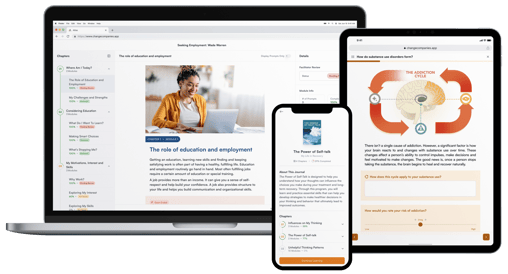
Evidence-based, behavioral health Interactive Journaling® curricula are available digitally on Atlas. Atlas can save staff time while supporting fidelity to evidence-based practices.
Ready to see what Atlas can do for your program? Visit our website to schedule a personalized demo today. Learn more about Atlas →
Provide your information below for a complete overview of Atlas for your setting.